When it pertains to finding out necessary life-saving skills like CPR (Cardiopulmonary Resuscitation), the option between online and offline courses can be a bit overwhelming. Both formats have their own qualities and drawbacks, and the choice ultimately rests on individual choices, learning styles, and logistical variables. In this article, we will completely check out both options to aid you establish which is appropriate for you.
Understanding CPR and Its Importance
What Does CPR Stand For?
CPR stands for Cardiopulmonary Resuscitation. This emergency situation treatment combines breast compressions with synthetic ventilation to preserve blood flow and oxygenation during a cardiac arrest. Recognizing exactly how to perform CPR is essential, as it can conserve lives in crucial situations.
Why is CPR Educating Essential?
CPR training not just equips individuals with the skills required to act in emergency situations yet also infuses self-confidence. Whether you are a caregiver, instructor, or just a worried person, knowing CPR can make cpr course refresher a substantial difference in dangerous situations.

Types of CPR Courses Available
There are different kinds of CPR training courses readily available that satisfy different target markets:
- Basic Life Support (BLS): Usually required for healthcare providers. Heartsaver CPR: Designed for laypeople who wish to learn fundamental lifesaving techniques. CPR for Infants: Specialized training concentrated on resuscitating infants.
The Role of First Aid Training
Beyond simply CPR, first aid training covers a bigger array of emergency response strategies. Numerous programs integrate first aid and CPR training under one umbrella, giving detailed understanding that includes taking care of choking cases or performing fundamental life support.
Online vs Offline CPR Courses-- Which Is Right For You?
Deciding in between online and offline courses comes down to numerous aspects consisting of benefit, cost, availability, and personal understanding preferences.
Flexibility of Online Classes
Online courses offer exceptional flexibility. You can discover at your own rate and routine your study time around various other dedications. Lots of on the internet systems also use interactive sessions where you can practice abilities with video clips or simulations.
Advantages of Online Classes:
- Convenience: Study from anywhere with web access. Self-Paced Learning: Control over your study speed. Variety of Resources: Access to additional materials such as posts and videos.
Disadvantages of Online Classes:
- Limited Hands-On Practice: Some abilities require physical demonstration. Less Immediate Feedback: Difficulty in receiving real-time help when battling with concepts.
Benefits of Offline Classes
While online courses give adaptability, offline courses use traditional hands-on experience. These sessions allow individuals to exercise abilities under the careful eyes of certified instructors.
Advantages of Offline Classes:
- Hands-On Training: Straight technique under supervision guarantees proper technique. Immediate Feedback: Immediate explanation on uncertainties from instructors.
Disadvantages of Offline Courses:
- Fixed Schedule: Less adaptability contrasted to on the internet courses. Travel Requirements: Required to commute which may occupy added time.
Cost Considerations for CPR Training
Comparative Price Analysis
Both online and offline courses included different price tags. Generally:
|Training course Type|Ordinary Expense|| ----------------------|---------------------|| Online Courses|$30 - $100|| Offline Courses|$50 - $200|
It's vital to consider what fits into your budget plan while also assessing the value offered by each format.
Learning Style Preferences
Visual vs Kinesthetic Learners
Consider just how you find out best when selecting a class format:
- If you're a visual student that prospers on video clip material, online programs might suit you well. If you're a kinesthetic learner that takes advantage of hands-on practice, an offline class might be much more beneficial.
Accessibility Issues
Finding Neighborhood Options
If you're taking into consideration an offline course, look for "first aid best first aid and cpr course options course near me" or "first aid training near me." This will certainly provide you local options that might conserve travelling time and prices.
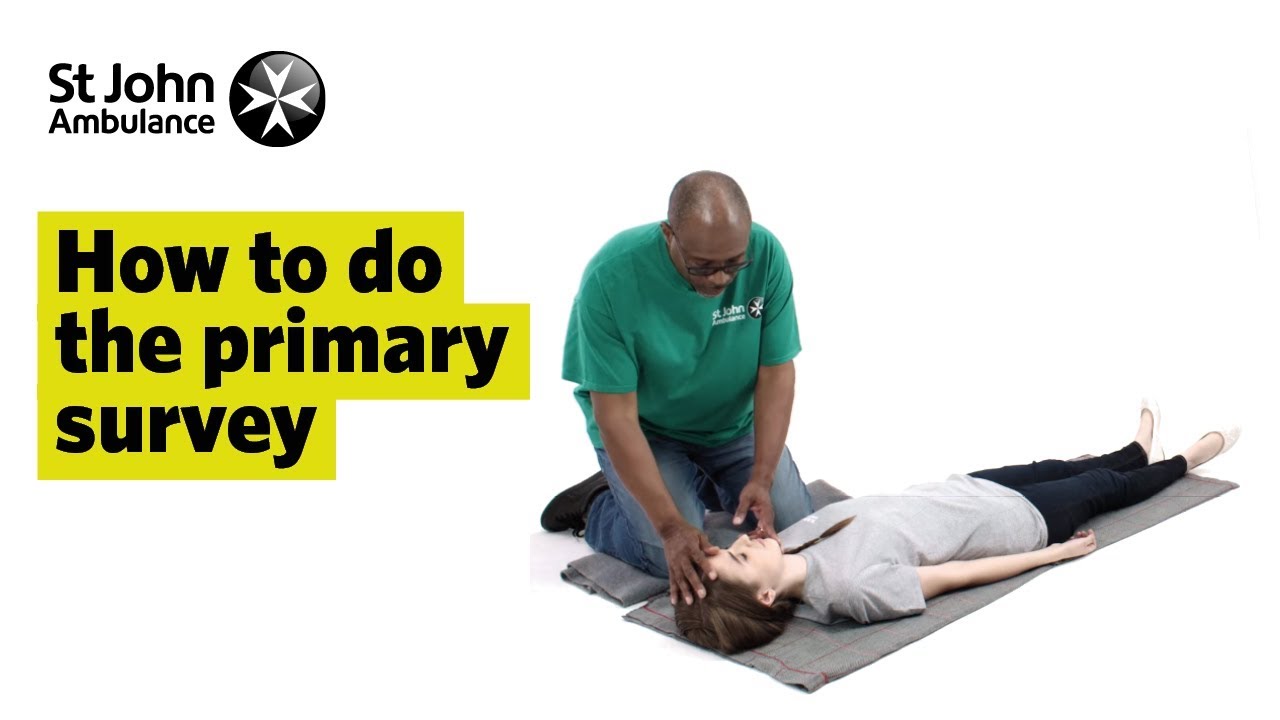
Online Class Accessibility
With an online format, access isn't limited by location; hence people in remote areas can still receive top quality education and learning by searching for "online first aid training course."
Certification Validity
How Long Does First Aid Certification Last?
Most first aid certifications-- consisting of those for CPR-- stand for three years before needing renewal through refresher courses or retesting. This applies no matter whether the program was taken online or offline.
Renewal Options
Both online refresher courses and in-person recertification courses are readily available, ensuring that you're constantly current with existing methods like DRSABCD (Risk Action Send Out Rescue Compression Airways Breathing Defibrillation).
FAQs
1. Can I obtain licensed through an online course?
Yes! Numerous certified companies supply qualification upon conclusion of their on-line courses.
2. What does DRSABCD stand for?
DRSABCD means Threat Action Send Rescue Compression Airways Breathing Defibrillation-- a systematic technique utilized during emergencies to guarantee efficient rescue efforts.
3. Are there particular programs for mental health and wellness very first aid?
Absolutely! Psychological wellness first aid training courses focus on identifying psychological health and wellness concerns and supplying initial support up until professional assistance is available.
4. Which course should I pick if I'm a parent?
A combination of infant-specific CPR training in addition to basic first aid would certainly be optimal for parents looking after young children.
5. How do I select between these types?
Consider your individual conditions such as learning design preference, schedule versatility, budget restraints, and distance to training centers when making your choice.
6. Do qualifications vary by region?
Yes! While lots of principles stay consistent worldwide, it's important to inspect local regulations regarding certification needs which could vary throughout areas like Sydney or Brisbane.

Conclusion
In final thought, the option in between online vs offline CPR classes ultimately depends upon private demands and circumstances. If versatility suits you ideal as a result of an active way of life or geographical restrictions after that an online class can be optimal. Conversely, if hands-on practice is important for understanding the strategies efficiently after that opting for an offline course makes sense.
By evaluating the advantages and disadvantages thoroughly-- taking into consideration aspects like cost, ease of access, individual learning design preference-- you'll discover on your own much better geared up not only to make an educated option regarding "Online vs Offline CPR Courses-- Which Is Right For You?" but additionally prepared to take care of emergencies need to they arise in reality! Bear in mind that no matter which course you select; getting these lifesaving skills brings enormous worth not just personally yet also within your community!